Solving a Residential Burglary Case Through the Combined Analysis of Footwear Impressions and Video Surveillance
October 25, 2026
In September 2026, a burglary occurred in a residential community in a city. RMB 90,000 in cash, along with gold and other jewelry, was stolen from a bedroom drawer in the victim’s home. The case involved a substantial financial loss.
Following the incident, crime scene investigators promptly launched an investigation. Through a combination of investigative techniques, including crime scene trace evidence examination, footwear impression comparison, video surveillance tracking, vehicle analysis, and personnel verification, investigators ultimately identified Xiao, a suspect with a prior record of residential burglary. They established the suspect’s movements before and after the crime, physical characteristics, and mode of transportation. The suspect was eventually apprehended, and the stolen money was recovered.
After receiving the report, the police dispatch center quickly organized crime scene investigators to conduct a detailed examination of the burglary scene. By analyzing marks left on the lock, wear characteristics, and force application patterns, investigators determined that the door lock had been opened using a specialized foil-based lock-picking technique. This established that the case involved a residential burglary committed by a technically skilled offender using specialized lock-picking tools.
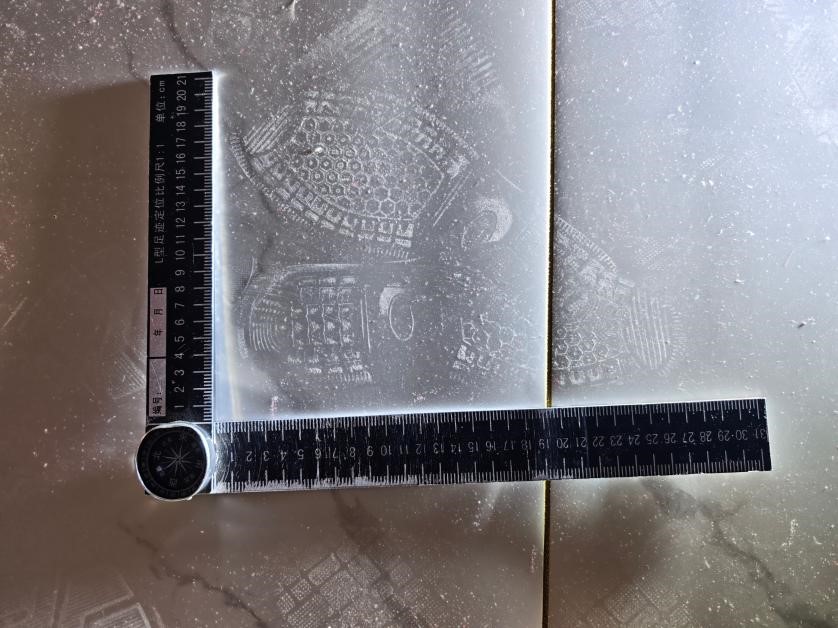
Meanwhile, forensic technicians collected 12 biological samples from the scene for DNA testing and recovered seven footwear impressions left by the suspect. However, laboratory examination yielded no usable biological information, making it impossible to identify the suspect directly through DNA evidence. The investigation therefore shifted its focus to solving the case through the footwear impressions recovered at the crime scene.
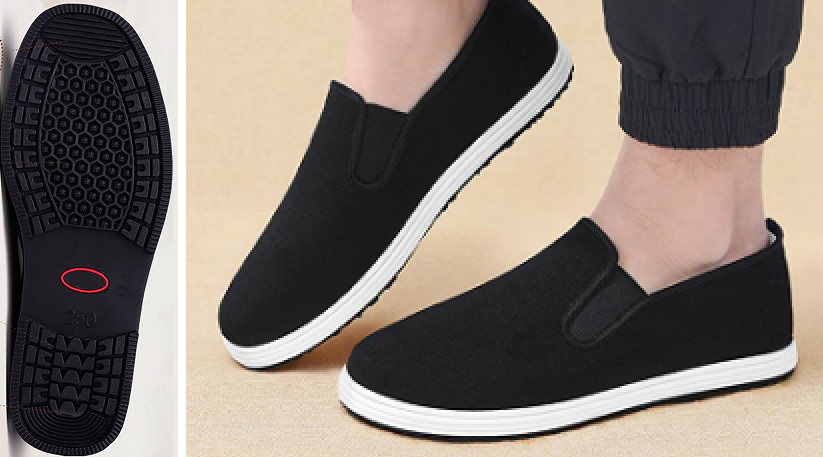
By searching the footwear database using the suspect’s footwear impressions recovered at the crime scene, investigators identified the footwear as having been left by a pair of cloth shoes. The shoes had distinctive features: a black upper, a white strip running around the edge of the sole, and a black outsole.
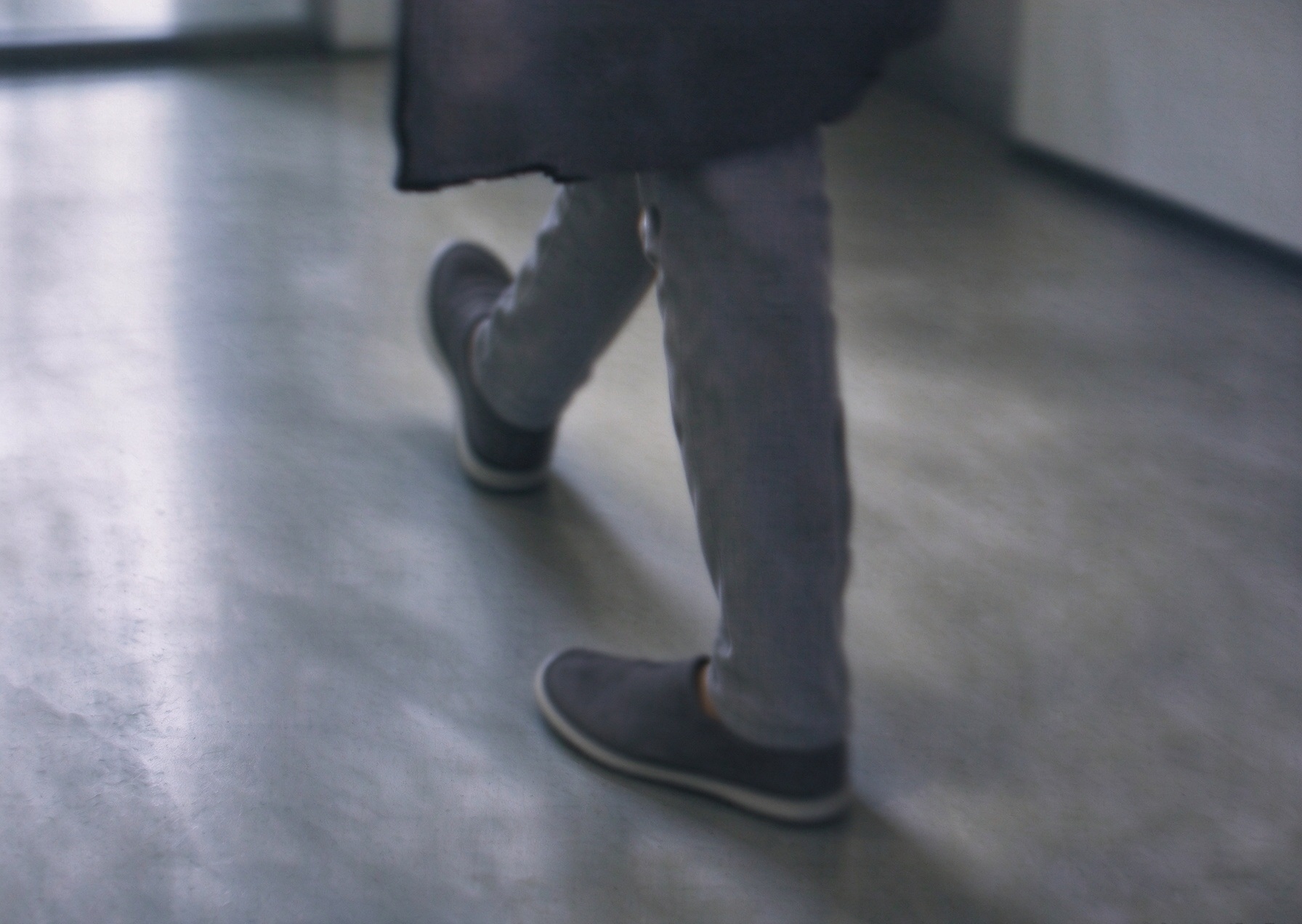
Investigators retrieved video footage from the common areas inside the residential building and public surveillance cameras around the residential community. Using the footwear search function to identify shoes appearing in the footage, they successfully matched the distinctive footwear to an individual. The time at which this individual appeared in the footage was also consistent with the estimated time of the burglary, making this person the primary focus of the investigation. In the surveillance footage, the suspect was wearing a black trench coat, jeans, a black face mask, and a black baseball cap.
By cross-referencing multiple video recordings, investigators discovered that at 3:05 p.m. on the day of the incident, the suspect drove a white SUV to the vicinity of the residential community and parked it on the roadside approximately 200 meters from the community. At 3:48 p.m., the suspect returned to the vehicle and drove away. The vehicle’s license plate was clearly visible in the surveillance footage.
By using the vehicle’s license plate number to retrieve its detailed information, investigators determined that the registered owner was Xiao, who also had a prior record of residential burglary. This further supported the suspicion that Xiao was the perpetrator.
After two days of careful planning and surveillance, the police successfully apprehended Xiao at his residence.
A comparison of Xiao’s shoes with the footwear impressions recovered at the crime scene revealed a complete match in their characteristics. Faced with the comprehensive chain of evidence, Xiao confessed to the details of the crime.
Conclusion:
This case demonstrates that modern criminals often possess strong counter-investigation capabilities, making it increasingly unlikely that usable fingerprints or DNA will be left at crime scenes. The combined use of footwear impression analysis and video surveillance has therefore become an important method for solving residential burglary cases.