The Role of Shoeprints in Solving Serial Burglary Cases
March 11, 2026
In more than 45% of burglary cases, shoeprints are left behind. Shoeprints are one of the most commonly used and most reliable types of trace evidence for linking serial cases. Shoeprint evidence can connect multiple scattered and isolated burglary cases, unify the direction of investigation, integrate clues, and improve the efficiency of solving the cases.
On January 5, 2026, a burglary occurred at a hotel in a certain city. After receiving the report, crime scene investigators quickly arrived at the scene to conduct an investigation.
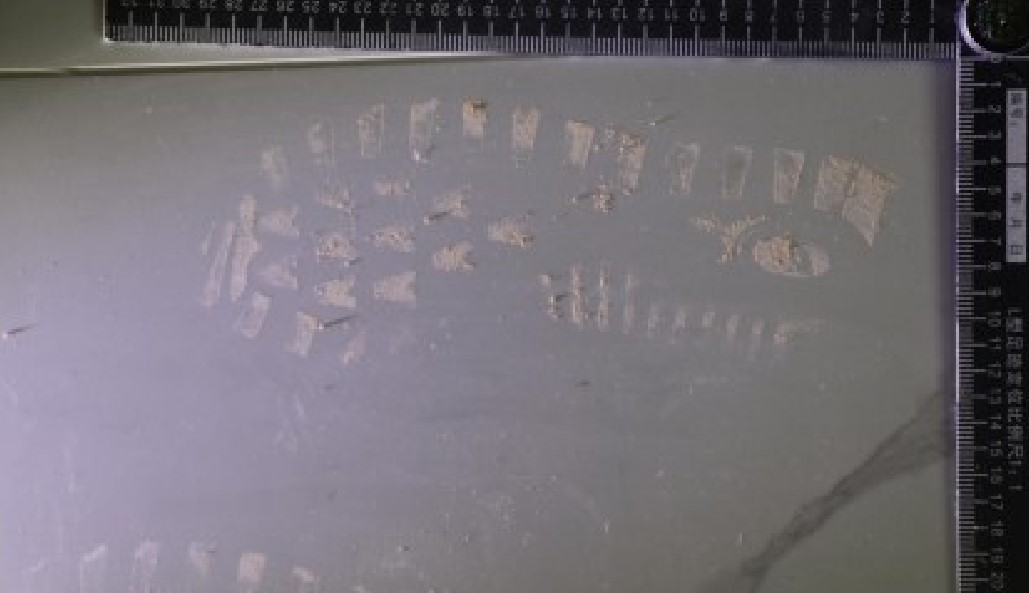
The police conducted a careful on-site investigation and reviewed the surveillance footage. At 3:13 a.m., the suspect, wearing a hat and a mask, entered through a window. The suspect showed strong counter-surveillance awareness and did not leave any fingerprints at the scene. However, several shoeprints were collected from the floor of the lobby. The victim reported that seven cartons of premium cigarettes and more than3,000 yuan in cash were stolen.
After the incident, forensic technicians conducted case-linking work using the shoeprints found at the crime scene. In the shoeprint system, they discovered that the tread patterns from two other burglary cases matched the shoeprint patterns collected in this case. After system analysis and manual verification, it was confirmed that these shoeprints were all left by the same pair of shoes.
Since the exact time of the crime had been determined, investigators quickly screened street surveillance footage to identify the suspect’s possible area of activity. Through video investigation, they soon identified a man who was highly suspected of committing the crime.
Criminal investigation technicians tracked the suspect through surveillance footage and confirmed his movement trajectory. They then worked with the investigating officers to formulate an arrest plan and successfully apprehended the suspect, Li. During a search of Li’s residence, the officers found a pair of shoes whose tread patterns were exactly the same as the shoeprints collected at the crime scene.
Investigators entered all the shoes found in Li’s home into the shoeprint matching system and discovered that the tread pattern of another pair of his shoes matched the shoeprint pattern from another case. After careful comparison, it was confirmed that the shoeprints at the scene of that case were left by this pair of shoes. At this point, with the help of shoeprint evidence, a total of four cases were successfully solved.
Case Summary:
Although in many countries around the world shoeprint evidence is not yet accepted as court evidence, it has consistently played a significant role in solving criminal cases. The application of shoeprint evidence is also develop in grapidly with advances in technology. As one of the most commonly left types of evidence at crime scenes, shoeprint evidence is providing increasingly valuable assistance in criminal investigations.